Introduction
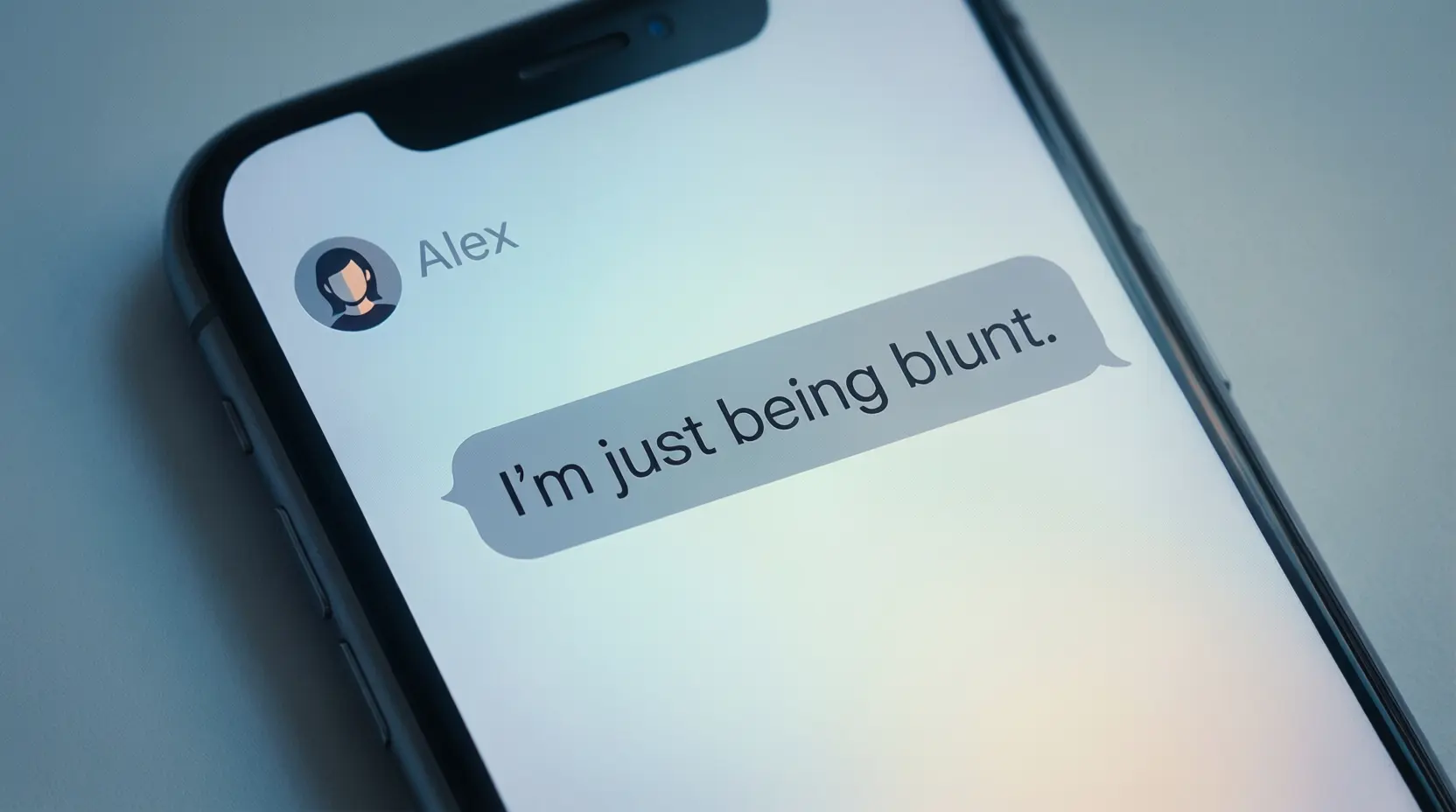
You’re scrolling through a group chat or reading comments on Instagram, and someone says, “I’m just being blunt.”
Suddenly you pause. Are they being honest? Rude? Serious? Funny? 😅
If you’ve ever felt confused seeing the word “blunt” used casually online, you’re not alone. While the word has a traditional dictionary meaning, its slang use in texting and social media has a very specific vibe. Sometimes it’s appreciated, sometimes it’s misunderstood.
In this guide, we’ll break down the blunt meaning in slang, show you how people actually use it in chats, and help you decide when it works—and when it doesn’t. By the end, you’ll know exactly how to read (and use) this slang with confidence.
What Does Blunt Mean in Text?
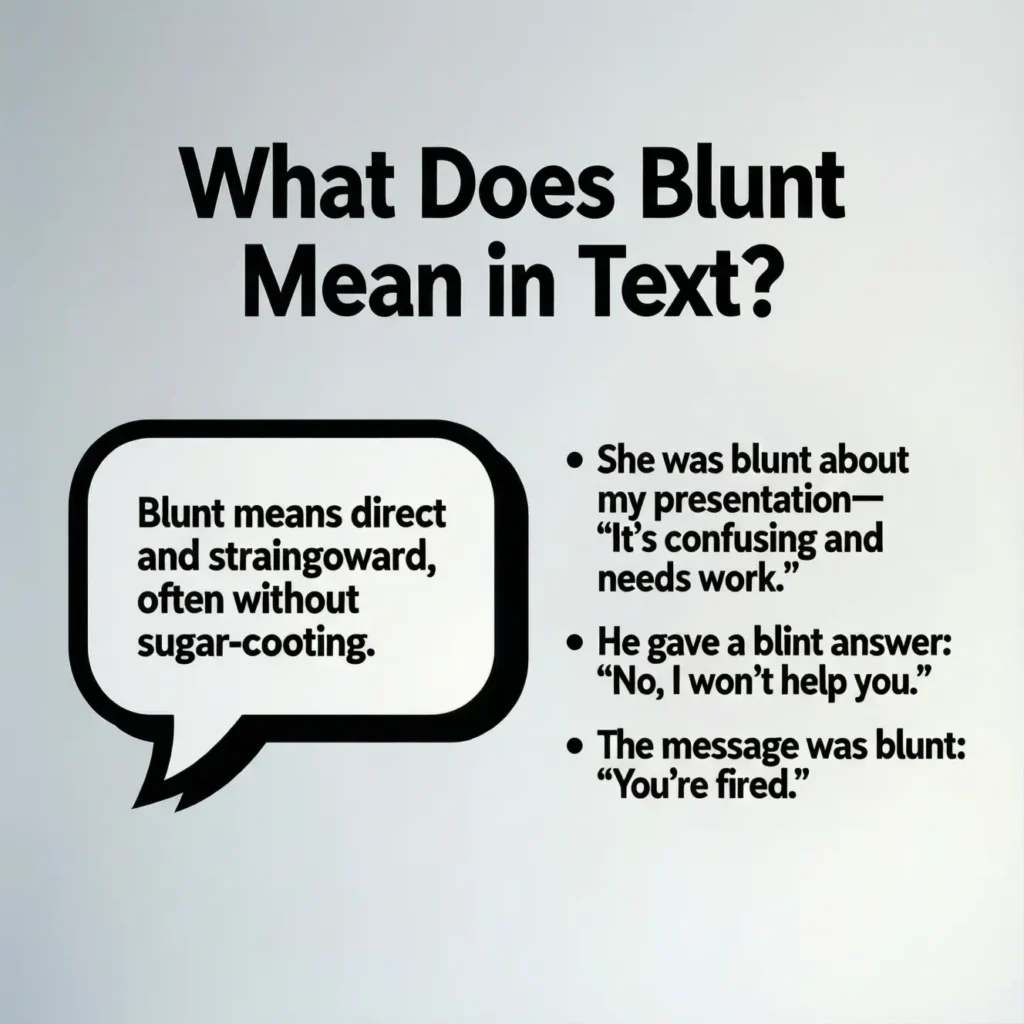
In slang, blunt means being very direct, honest, and straightforward—often without softening the truth.
When someone says they’re being blunt, they’re usually warning you that:
- They’re about to speak honestly
- They won’t sugarcoat their opinion
- Their message might sound harsh, but it’s meant to be truthful
Simple slang meaning:
Blunt = honest to the point of being a little harsh
It’s not automatically rude, but it can feel rude depending on tone, timing, and relationship.
Does “blunt” have multiple meanings?
Yes. Outside of slang:
- A blunt can also mean a rolled marijuana cigar (very common in pop culture).
- As an adjective, it can mean something is physically dull (like a blunt knife).
👉 In texting and social media, though, it almost always refers to direct communication.
Where Is Blunt Used?
The slang use of blunt is common across many digital spaces, especially where opinions are shared freely.
You’ll often see it on:
- 💬 Text messages
- 📱 Instagram captions & comments
- 🎵 TikTok videos and replies
- 👻 Snapchat chats
- 🎮 Gaming chats
- 🐦 X (Twitter) replies
Who uses it most?
- Teens and young adults
- People who value “real talk”
- Friends who are comfortable being honest with each other
It’s widely used by general users, not tied to one niche like gaming or fandom slang.
Examples of Blunt in Conversation
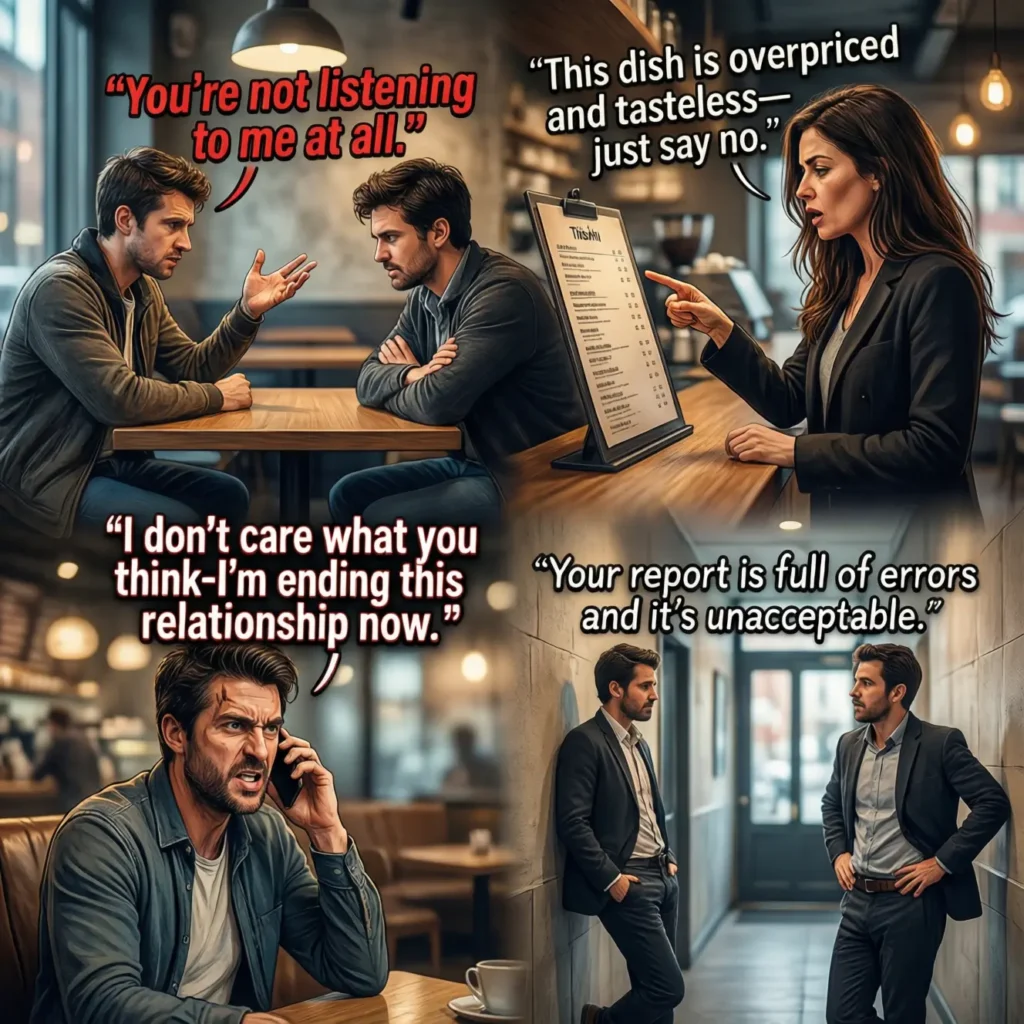
Here are some realistic, chat-style examples showing how “blunt” appears naturally:
- Friendly honesty
“I’ll be blunt—you did great, but the ending was confusing.” - Warning before criticism
“Not to be rude, but I’m gonna be blunt with you.” - Playful tone
“Blunt answer? Yes. Long answer? Still yes 😂” - Flirty but honest
“I’ll be blunt…I kinda like you.” - Serious conversation
“I’m being blunt because I care about you.” - Defensive explanation
“Sorry if that sounded harsh, I’m just blunt by nature.” - Funny self-awareness
“I’m too blunt for my own good sometimes.”
As you can see, context and tone matter a lot.
When to Use and When Not To Use Blunt
✅ When it’s okay to use “blunt”
- With close friends who appreciate honesty
- During constructive feedback
- When clarity is more important than politeness
- In casual chats where tone is already relaxed
Using “blunt” can actually help soften honesty because it sets expectations.
❌ When to avoid using “blunt”
- In professional emails or workplace chats
- With people you don’t know well
- In emotional or sensitive situations
- When you haven’t been asked for honesty
Saying “I’m just being blunt” doesn’t always excuse hurtful words. In formal or emotional settings, it can come off as dismissive or rude.
💡 Tip: If you wouldn’t say it face-to-face, don’t send it “bluntly” in text.
Similar Slang Words or Alternatives
Here are some slang or casual phrases related to blunt, along with their meanings:
- Straight up – Completely honest
“Straight up, that wasn’t your best work.” - No filter – Speaking without thinking about tone
“She has no filter at all.” - Real talk – Serious, honest conversation
“Real talk, you deserve better.” - Keeping it real – Being truthful and authentic
“I’m just keeping it real with you.” - Wild – Brutally honest, often humorously
“That reply was wild.”
Each of these carries a slightly different emotional weight.
FAQs About Blunt Meaning Slang
What does blunt mean from a girl?
When a girl says she’s being blunt, it usually means she’s speaking honestly and directly, not trying to be mean. It can signal trust or comfort, especially if the topic is personal.
Is blunt slang rude?
Not always. It depends on tone and context. Blunt honesty can be helpful, but without empathy, it may feel rude or insensitive.
Can I use blunt in professional chats?
It’s better to avoid it. In professional settings, words like “direct,” “clear,” or “honest feedback” sound more respectful and polished.
Does blunt have a flirty meaning?
Sometimes! When used playfully, it can signal bold honesty, like:
“I’ll be blunt—I think you’re cute.”
In this case, it can feel confident and charming.
Is blunt still popular in 2026?
Yes. “Blunt” remains widely used because it fits modern online culture that values authenticity and transparency.
Conclusion
So, what does blunt mean in slang? In simple terms, it means being honest without sugarcoating the truth. It’s a powerful word that sets expectations, but it should be used carefully.
In casual chats and close friendships, being blunt can build trust and clarity. In professional or emotional situations, though, it can backfire if it feels insensitive.
✨ Final tip: Use “blunt” when honesty helps—not when it hurts. When in doubt, soften your message with kindness.