Introduction
You’re scrolling through your messages or watching a funny video online, and suddenly someone comments, “That’s so cheese!” or “Stop being cheesy 😂.” You pause for a second—wait, cheese? Like food? 🧀 It can feel confusing when everyday words take on totally different meanings in online slang.
Don’t worry—you’re not alone. Slang evolves fast, especially on social media, and “cheese” is one of those words that has picked up a fun, expressive twist. In this guide, you’ll learn exactly what “cheese” means in slang, how people use it in chats, and when you should (or shouldn’t) use it yourself.
What Does Cheese Mean in Text?

In slang, “cheese” usually means something that is overly cheesy, corny, fake, or exaggerated—especially in an emotional or romantic way.
Simple Meaning:
- Cheese = Corny, cringey, or overly sentimental
For example:
If someone says, “That pickup line was cheese,” they mean it was too predictable or cringey, not smooth.
Other Possible Meanings:
Depending on context, “cheese” can also mean:
- Fake happiness or forced smile (“Say cheese!” 📸)
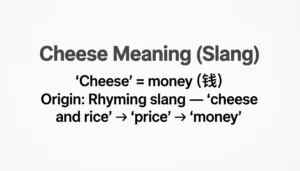
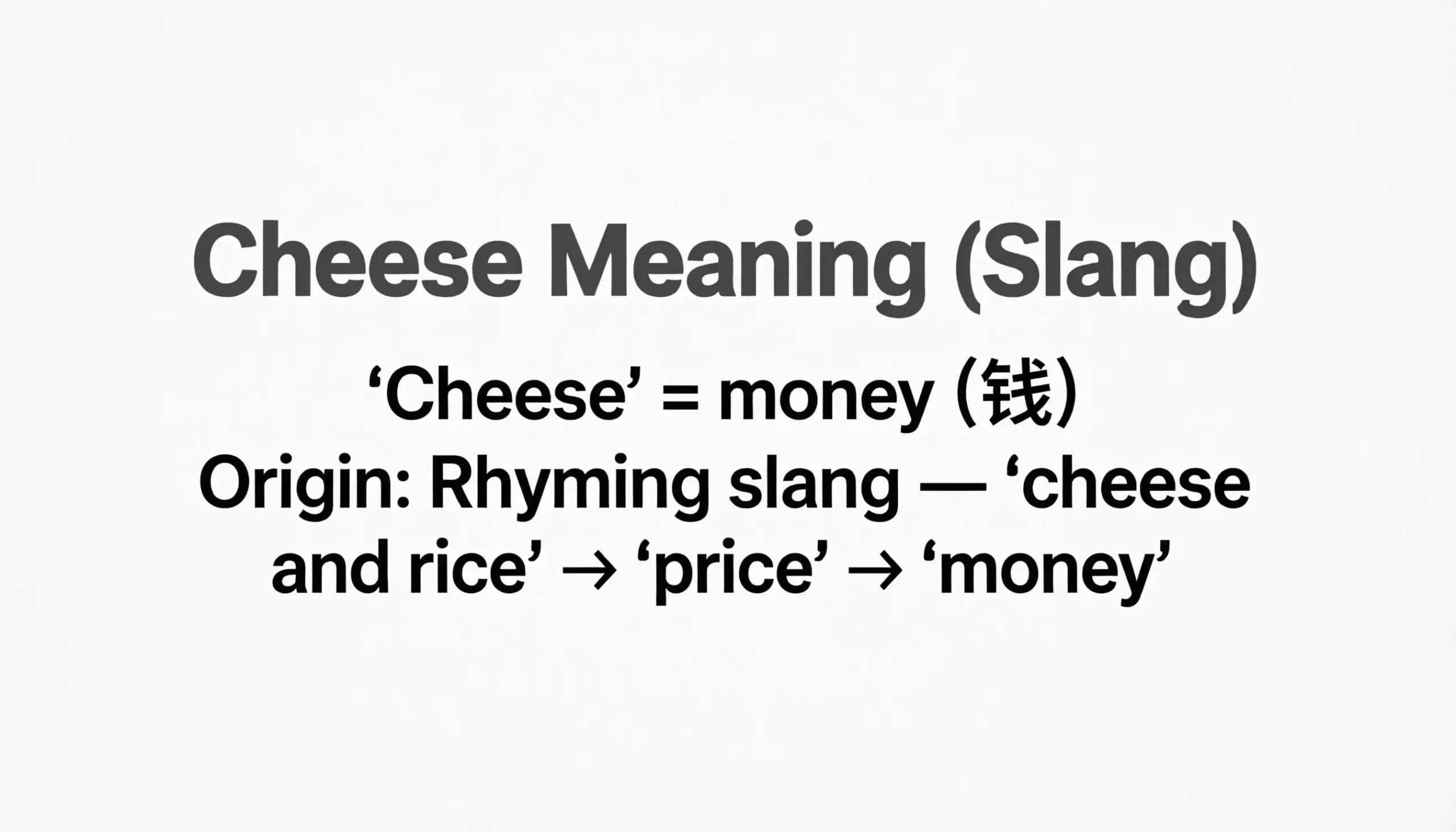
- Money (rare slang) – In some older or niche slang, “cheese” can refer to cash
- Something too dramatic or over-the-top
👉 But in most texting and social media conversations today, it mainly means corny or cringey behavior.
Where Is Cheese Used?
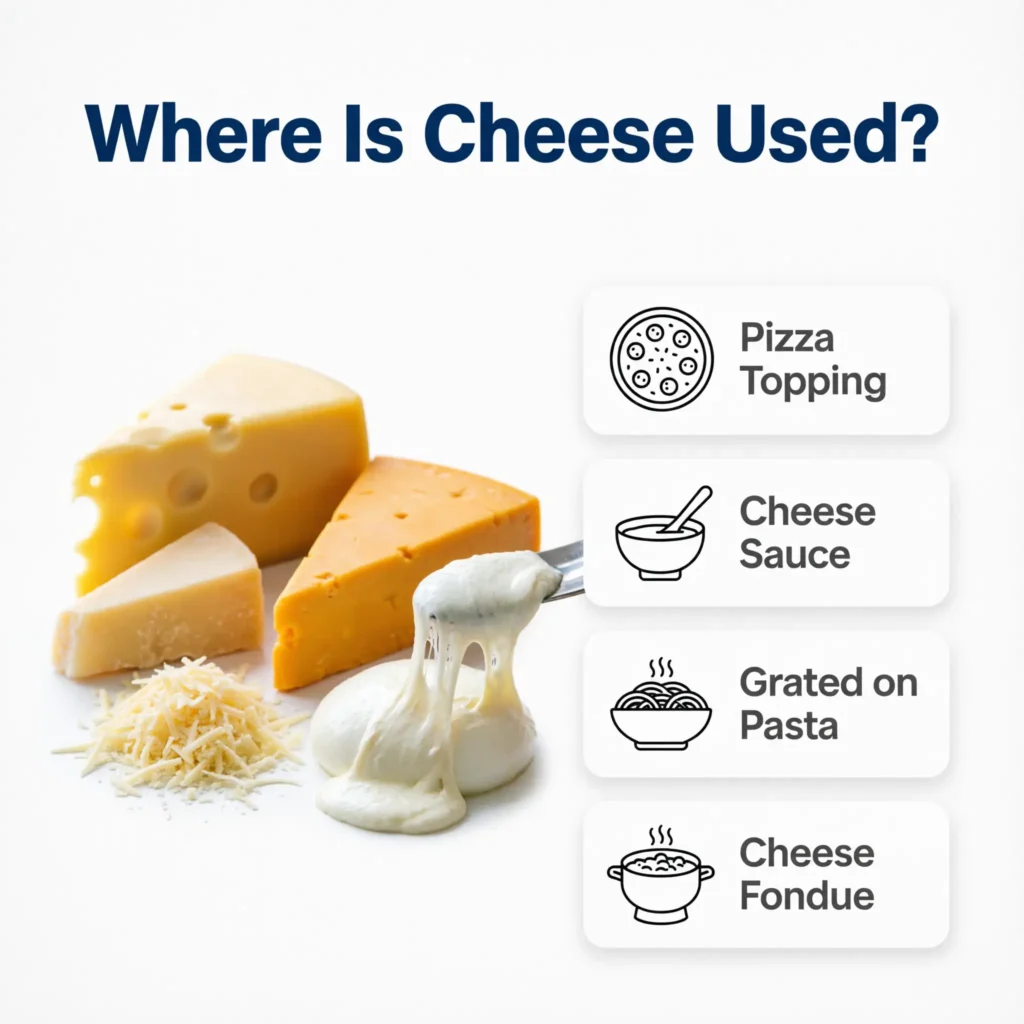
You’ll see “cheese” slang mostly in casual online spaces, such as:
- Text messages and WhatsApp chats
- Instagram comments and captions
- TikTok videos (especially reactions or jokes)
- Snapchat conversations
- Gaming chats and Discord servers
Who Uses It?
- Mostly teens and young adults
- People who enjoy humor, memes, and casual conversation
- Content creators joking about cringe or romantic clichés
It’s not formal at all—this is pure internet slang, used for fun and expression.
Examples of Cheese in Conversation
Here are some realistic chat-style examples so you can see how “cheese” is used:
- Friend 1: “I’d cross oceans just to see you.”
Friend 2: “Bro that’s pure cheese 😂” - “That movie ending was so cheese but I still loved it.”
- “Stop with the cheesy lines, I’m not falling for that 😅”
- “His speech sounded kinda cheese, not gonna lie.”
- “Why you smiling like that? Too much cheese 😆”
- “That TikTok was funny but also a bit cheese.”
- “She said ‘you complete me’… I was like nah that’s cheese.”
👉 Notice how it’s often used playfully, not harshly. It’s usually meant to tease or joke.
When to Use and When Not To Use Cheese
✅ When to Use It:
“Cheese” works best in casual, fun conversations, especially when:
- You’re joking with friends
- Reacting to romantic or emotional lines
- Commenting on something cliché or predictable
- Sharing memes or funny content
It adds a light, humorous tone to your message.
❌ When NOT to Use It:
Avoid using “cheese” in:
- Professional emails or workplace chats
- Formal conversations or school assignments
- Situations where someone is being genuinely emotional
👉 Calling someone’s heartfelt message “cheese” in a serious moment might come across as dismissive or rude.
Similar Slang Words or Alternatives
Here are some related slang terms you can use instead of “cheese”:
- Cringe – Something awkward or embarrassing
“That was so cringe bro.” - Corny – Old-fashioned or overly predictable
“That joke is corny.” - Cheesy – The more common version of “cheese”
“That line was cheesy.” - Hobbling – Not cool or unimpressive
“That excuse is hobbling.” - Extra – Over-the-top or dramatic
“You’re being extra right now.”
👉 “Cheesy” is actually the most standard version, while “cheese” is a shorter, slangy twist.
FAQs
What does “cheese” mean from a girl?
If a girl says something is “cheese,” she usually means it’s corny, overly romantic, or slightly cringey—often in a playful way.
Is “cheese” slang rude?
Not usually. It’s mostly light teasing, but it can feel rude if used during a serious or emotional moment.
Can I use “cheese” in professional chats?
No, it’s too casual. Stick to more formal language in work or academic settings.
Does “cheese” have any flirty meaning?
Not directly. However, it’s often used when reacting to flirty or romantic lines, especially if they’re over-the-top.
Is “cheese” still popular in 2026?
Yes, especially in casual online conversations, though “cheesy” and “cringe” are still more commonly used.
Conclusion
In slang, “cheese” has nothing to do with food—it’s all about calling out something corny, cringey, or overly dramatic in a fun, playful way. You’ll mostly see it in casual chats, social media comments, and meme culture.
If you want to sound natural online, use “cheese” when joking with friends—but avoid it in serious or formal situations. Once you get the tone right, it’s an easy and fun slang word to add to your vocabulary.