Have you ever seen someone comment “That’s so emo” on a TikTok video or describe a song as “emo vibes” and wondered what it actually means? 🤔
At first glance, it might sound mysterious, dramatic, or even confusing. But in internet slang, “emo” has a specific meaning that goes beyond just music or fashion.
In this guide, you’ll learn the exact meaning of emo slang, where it’s used, how people use it in chats, and if it’s friendly, flirty, or negative. By the end, you’ll understand how to use “emo” confidently in conversations.
What Does “Emo” Mean in Slang?
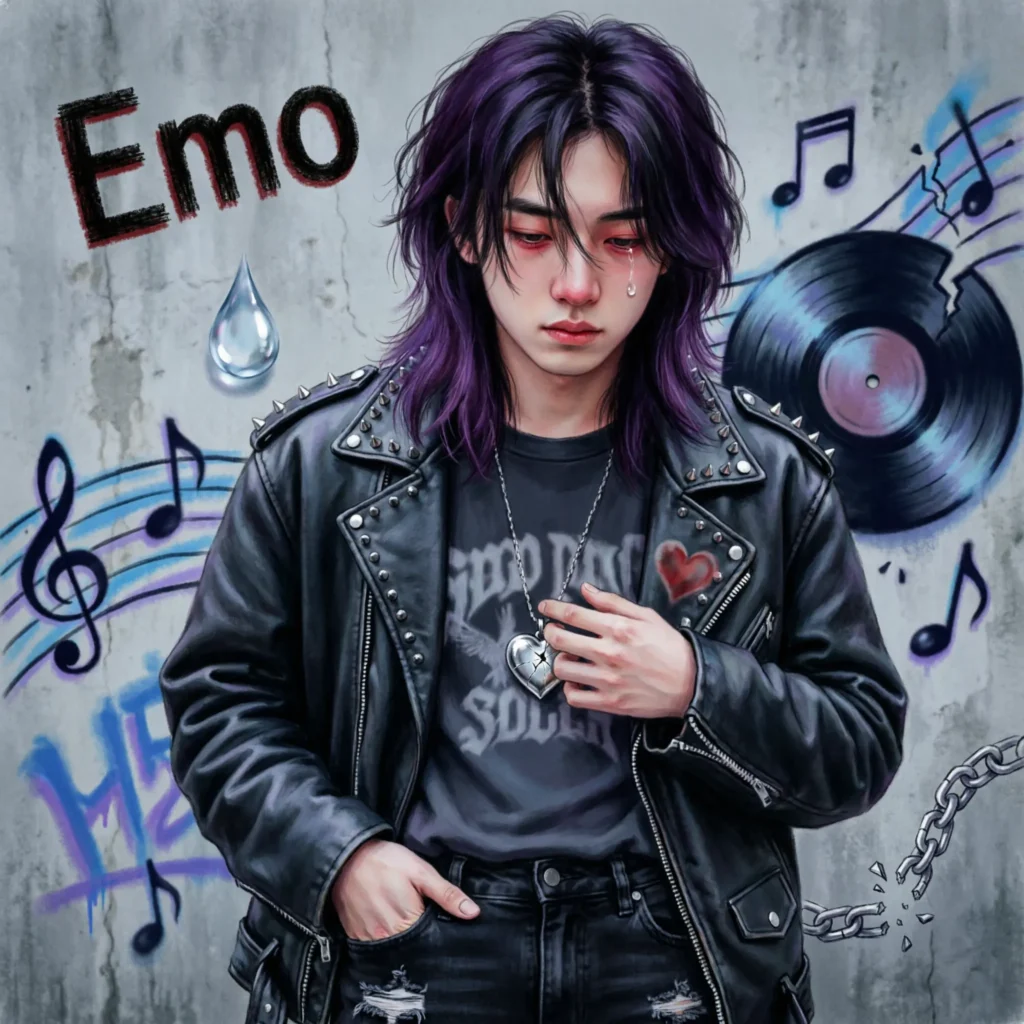
In slang, “emo” generally refers to someone who is overly emotional, sensitive, dramatic, or expressive about their feelings.
The word originally comes from “emotional hardcore”, a music genre that emerged from punk rock in the 1980s. Over time, it evolved into a broader cultural term used to describe people, music, fashion, and moods associated with deep emotions.
Simple Meaning:
- Emo = emotional, dramatic, or deeply expressive
- Sometimes used seriously, sometimes jokingly.
Example:
- “He’s acting emo today.”
👉 Meaning: He’s being very emotional or sensitive.
Where Is “Emo” Used?

The slang term “emo” is widely used across social media, texting, and pop culture.
Common Platforms:
- 💬 Text messages & WhatsApp
- 📱 TikTok & Instagram captions
- 🎮 Gaming chats & Discord
- 🐦 Twitter/X posts
- 🎵 Music discussions
Who Uses It Most?
- Teenagers and young adults
- Music lovers (especially rock/alternative fans)
- Social media users
- Meme culture communities
It’s mostly casual and informal, rarely used in professional settings.
Examples of “Emo” in Conversation
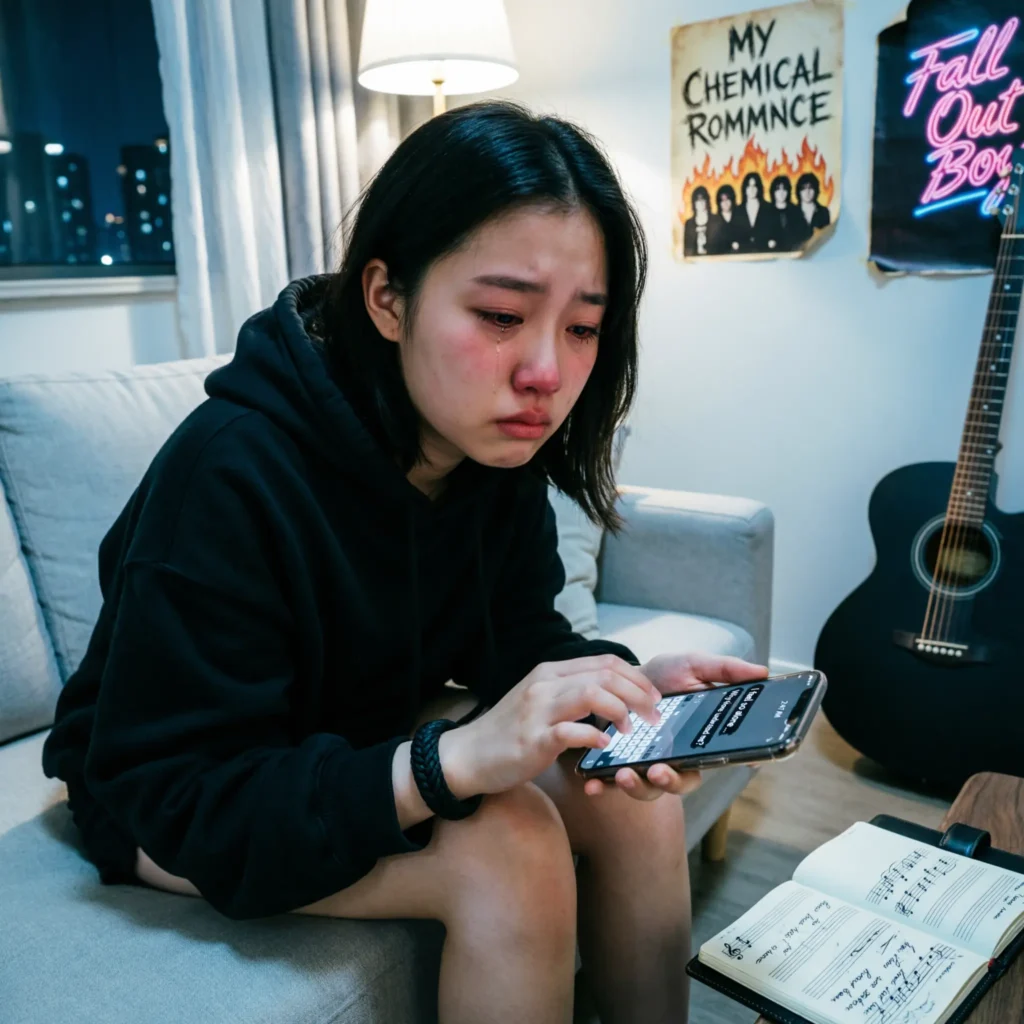
Here are some realistic chat-style examples to help you understand how “emo” is used naturally:
- Friend: “Why are you so emo today?”
You: “Just had a rough day.” - “This song is so emo, I love it 😭.”
- “Don’t get emo over a movie, it’s just a film 😂.”
- “Her poetry is deep and emo.”
- “He posted an emo caption on Instagram.”
- “Stop being emo, everything will be fine.”
- “That edit has major emo vibes.”
These examples show that “emo” can be serious, funny, or playful depending on the context.
When to Use and When Not to Use “Emo”
Like many slang words, “emo” can be helpful in casual conversations—but it’s not always appropriate.
✅ When It’s Okay to Use:
- Casual chats with friends
- Social media captions or comments
- Talking about music, mood, or emotions
- Joking in a friendly way
❌ When to Avoid Using It:
- Formal emails or professional conversations
- Academic writing or presentations
- Sensitive emotional situations (it may sound disrespectful)
- Talking to someone who might feel offended
💡 Tip: Sometimes calling someone “emo” can feel insulting, especially if they’re genuinely struggling emotionally. Use it carefully.
Similar Slang Words or Alternatives
Here are some slang terms related to “emo” and emotional expression:
- Moody – someone with frequent mood changes
- Deep – thoughtful or emotionally intense
- Edgy – dark or intense style or attitude
- Softie – someone emotionally sensitive in a cute way
- Dramatic – overreacting emotionally
These words can sometimes replace “emo,” depending on the tone.
FAQs About “Emo” Slang
1) What does “emo” mean from a girl?
When a girl says “emo,” it usually means someone is being emotional, sentimental, or dramatic. It can be playful or serious depending on tone.
2) Is “emo” slang rude?
Not always. It can be neutral or funny, but it may sound rude if used to mock someone’s feelings. Context matters.
3) Can I use “emo” in professional chats?
No. “Emo” is informal slang and should be avoided in work or formal communication.
4) Does “emo” have a flirty meaning?
Sometimes indirectly. For example, calling a song “emo” in a romantic conversation might imply deep feelings, but the word itself isn’t inherently flirty.
5) Is “emo” still popular in 2026?
Yes. While its peak popularity was earlier, “emo” is still widely used in memes, music culture, and social media language.
Conclusion
The slang word “emo” means being emotional, expressive, or dramatic, often linked to music, mood, or personality. It’s commonly used in casual chats and social media to describe feelings, vibes, or styles.
If you use it in the right context, “emo” can make your conversations more relatable and expressive—but always be mindful of others’ feelings.
💬 Next time you see someone say “That’s so emo,” you’ll know exactly what it means!