Introduction
You’re scrolling through Instagram, laughing at memes, and suddenly you see a comment that just says “mood.” No emojis, no explanation—just that one word. You pause and think, Wait… what does that even mean? If you’ve ever felt confused by this simple but powerful slang term, you’re not alone.
If you’re searching for “mood meaning slang,” this guide is written for you. The word “mood” has evolved from its traditional meaning into a trendy expression used all over social media and texting. In this article, you’ll learn exactly what it means, how people use it, and how you can start using it naturally in your own conversations.
What Does Mood Mean in Text?
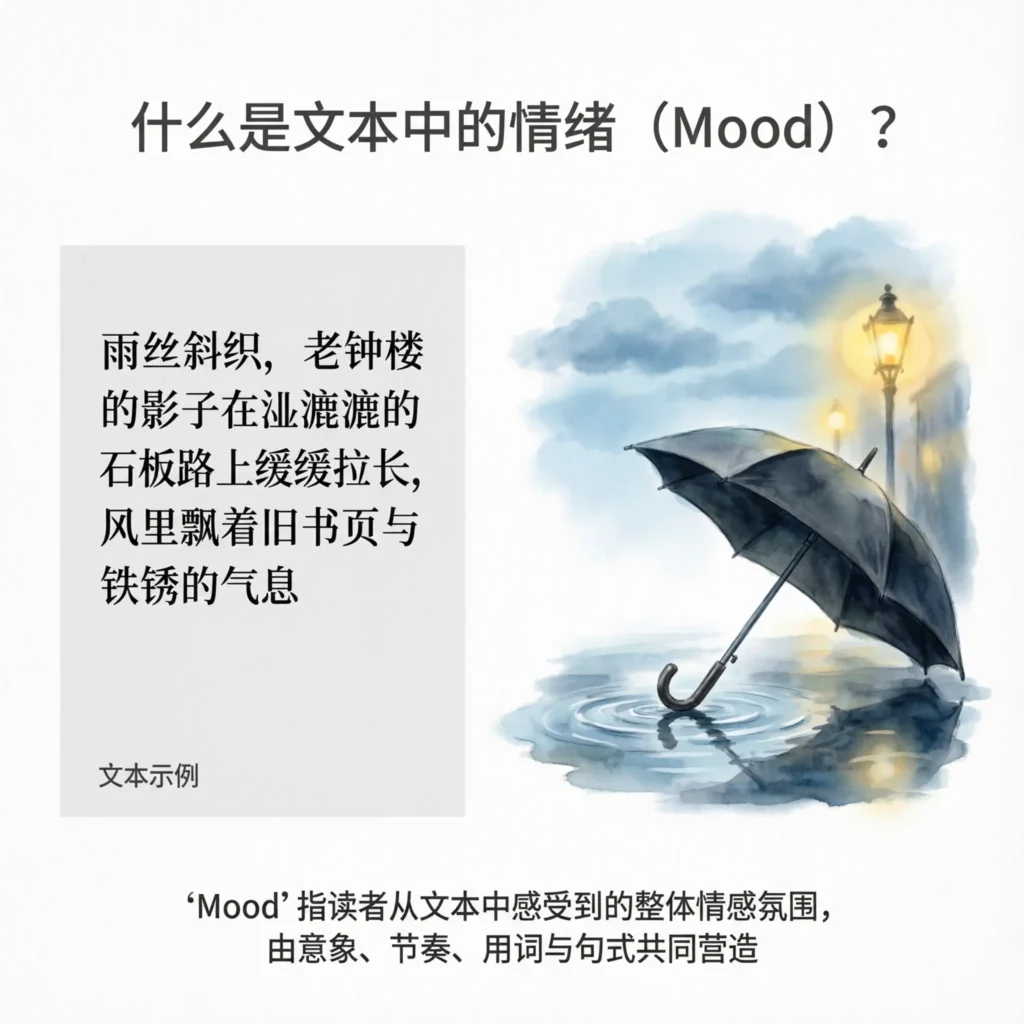
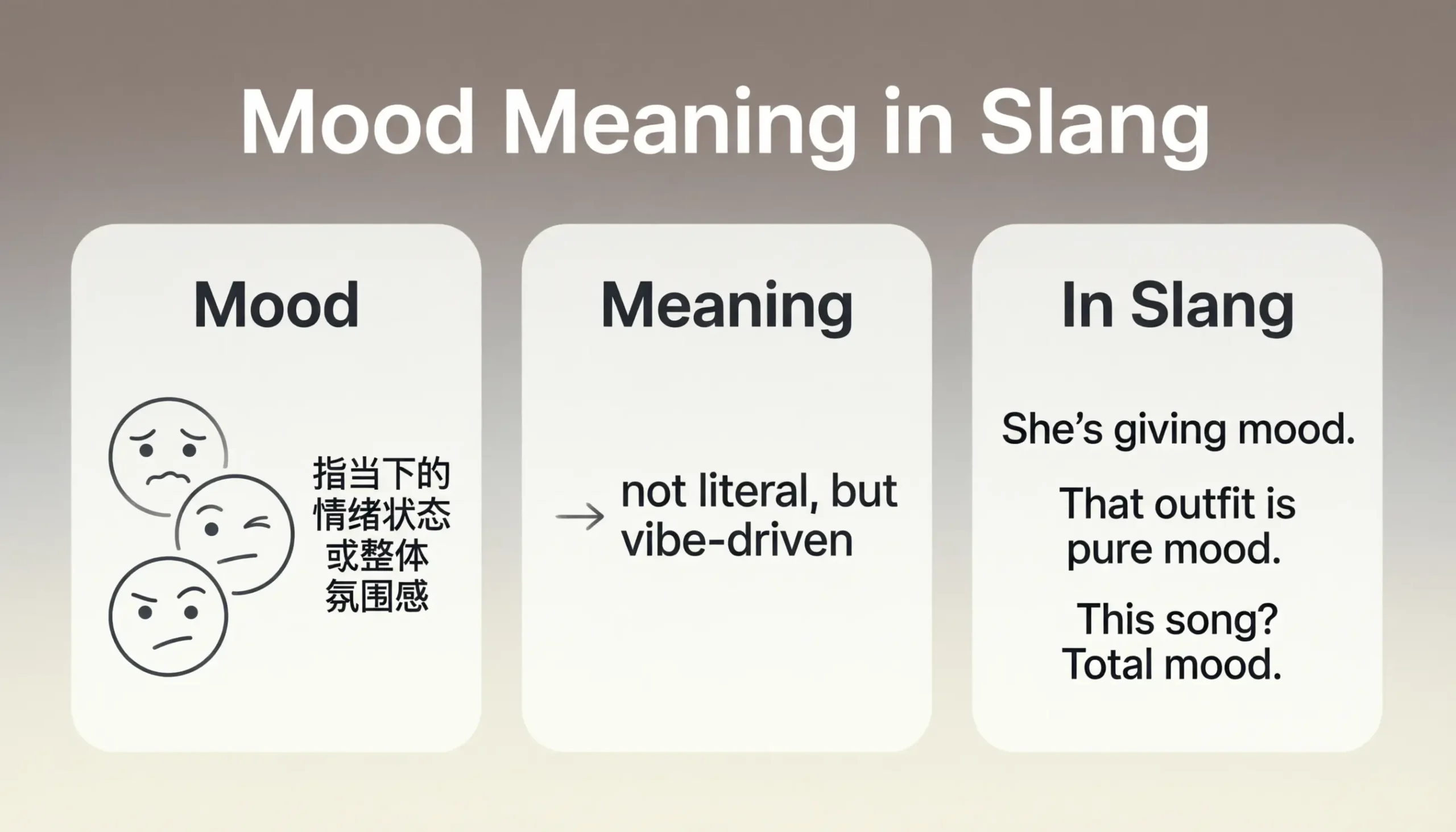
In slang, “mood” is used to show relatability. When someone says “mood,” they mean:
👉 “I feel the same way”
👉 “That perfectly describes my feelings”
👉 “That’s exactly me right now”
It’s a quick, expressive way to agree with something emotionally—whether it’s a funny meme, a sad post, or even a random thought.
Simple Explanation:
- “Mood” = Same feeling or Relatable moment
Example:
If someone posts:
“I don’t want to wake up early tomorrow 😩”
Replying with “mood” means you feel the same way.
Does It Have Multiple Meanings?
Yes, slightly. While the core idea is always relatability, the tone can change depending on context:
- Funny mood → Relating to humor
- Sad mood → Sharing emotional feelings
- Lazy mood → Agreeing with low energy vibes
Where Is Mood Used?
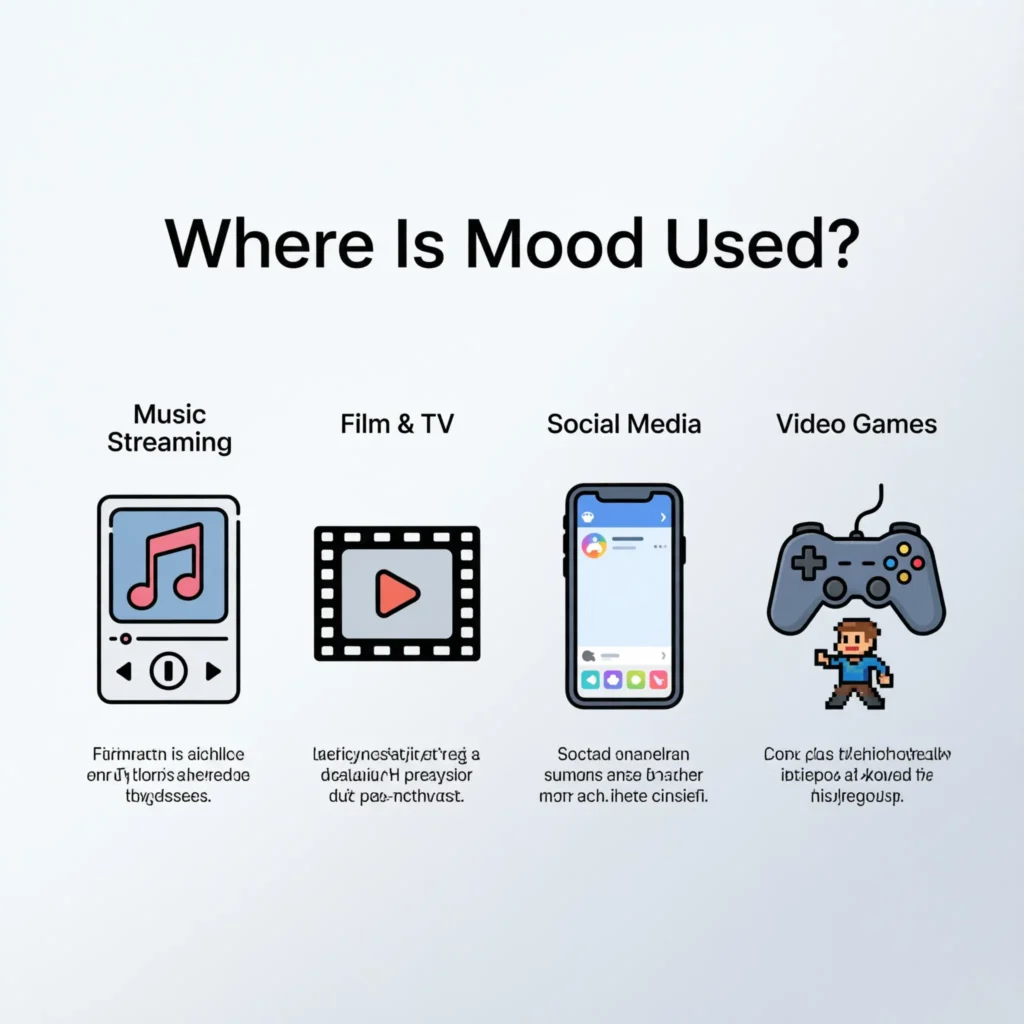
The slang “mood” is extremely popular across digital platforms, especially where people share thoughts, memes, and emotions.
Common Places You’ll See It:
- Instagram comments & captions
- TikTok videos and replies
- Snapchat chats
- WhatsApp or Messenger texts
- Twitter (X) posts and reactions
Who Uses It?
- Mostly teens and young adults
- Social media users who enjoy memes
- Anyone who communicates casually online
It’s not limited to a specific group anymore—“mood” has become a widely understood internet expression.
Examples of Mood in Conversation
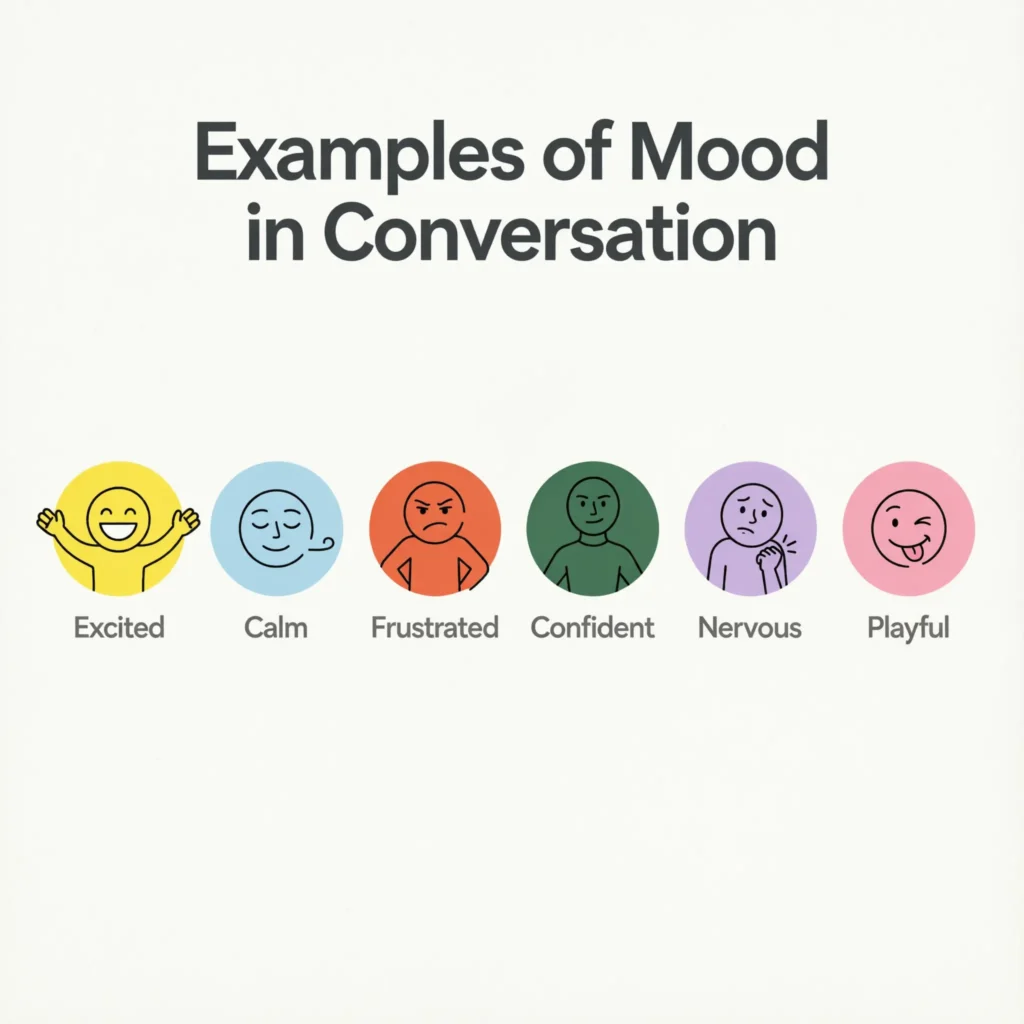
Here are some real-life chat-style examples to help you understand how “mood” fits naturally into conversations:
- Friend 1: “I stayed up till 3 AM watching random videos.”
Friend 2: “Mood 😂” - Person A: “I said I’d start my diet today but ordered pizza.”
Person B: “That’s such a mood.” - Crush: “I miss you already.”
You: “Mood 🥺” - Friend: “I just want to sleep all day.”
You: “Big mood.” - Instagram Post: “Overthinking everything again.”
Comment: “Mood 😩” - Friend: “I hate Mondays.”
You: “Mood, honestly.” - Text: “No motivation today.”
Reply: “Same, mood.”
👉 Notice how “mood” works as a quick emotional reaction—it doesn’t need a long explanation.
When to Use and When Not To Use Mood
✅ When to Use “Mood”
- When you relate strongly to something
- In casual chats with friends
- On social media posts or memes
- In lighthearted or emotional conversations
It works best when you want to connect quickly without typing a long response.
❌ When NOT to Use “Mood”
- In formal emails or professional chats
- During serious discussions where clarity is important
- With people unfamiliar with internet slang (it may confuse them)
Tone of the Word
- Casual: Yes ✅
- Friendly: Yes ✅
- Flirty: Sometimes 😉
- Professional: No ❌
👉 Example of flirty use:
If someone says, “I wish we were together right now,” replying “mood” can feel subtly affectionate.
Similar Slang Words or Alternatives
If you like using “mood,” here are some similar slang terms you might enjoy:
- Same – A direct way to show agreement
Example: “I’m tired” → “Same” - Big mood – A stronger version of “mood”
Example: “Skipping the gym again” → “Big mood” - Relatable – More literal way to express the same idea
Example: “This post is so relatable” - Facts – Used when you strongly agree
Example: “Sleep is better than studying” → “Facts” - I feel that – Slightly longer but similar meaning
Example: “Life is stressful” → “I feel that”
FAQs
What does “mood” mean from a girl?
It means the same thing—she’s saying she relates to what was said. It can sometimes feel more emotional or expressive depending on context.
Is “mood” slang rude?
No, not at all. It’s friendly and harmless. It simply shows agreement or shared feelings.
Can I use “mood” in professional chats?
Not recommended. It’s too casual and may seem unprofessional in work or formal settings.
Does “mood” have any flirty meaning?
Yes, in certain contexts. If used in emotional or romantic conversations, it can subtly express connection or shared feelings.
Is “mood” still popular in 2026?
Yes, it remains widely used across social media and texting, although newer slang keeps emerging alongside it.
Conclusion
The slang term “mood” is a simple yet powerful way to express relatability in online conversations. If you’re reacting to a funny meme, a tired friend, or a heartfelt message, saying “mood” instantly shows you understand and feel the same way.
It’s best used in casual settings with friends or on social media, where quick emotional responses are common. Just avoid using it in formal situations where clarity and professionalism matter.