Introduction
You’re scrolling through your messages or social media, and suddenly someone drops “DTN” in a chat. You pause for a second—what does that even mean? Is it something serious, funny, or just another random internet abbreviation? If you’ve ever felt confused by short slang terms like this, you’re not alone. New abbreviations pop up all the time, especially in texting and online conversations. In this guide, we’ll break down exactly what “DTN” means, where it’s used, and how you can confidently use it in your own chats without feeling out of the loop.
What Does DTN Mean in Text?
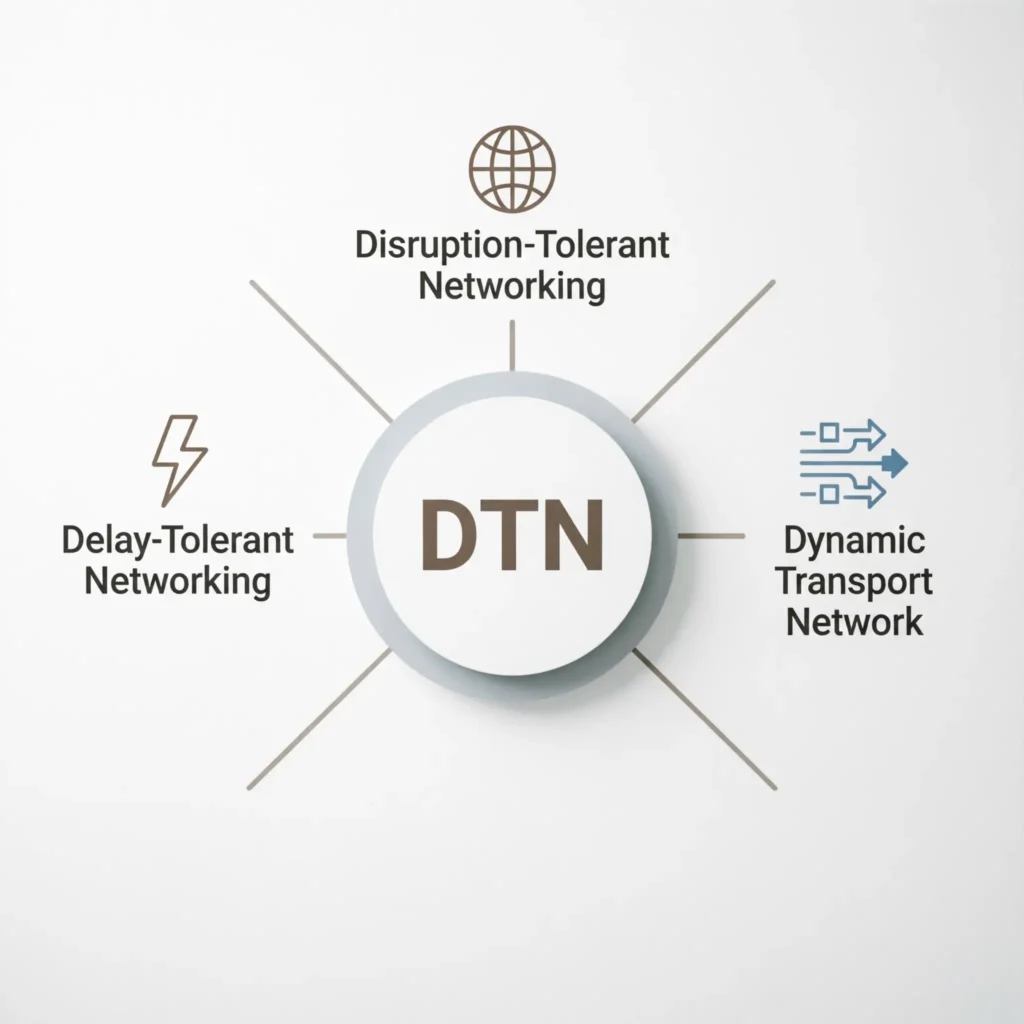
DTN typically stands for “Don’t Trust Nobody” in slang.
It’s a casual, expressive phrase people use to show skepticism, caution, or a mindset of not relying on others too easily. It can be serious or playful depending on the context.
Simple meaning:
- DTN = Don’t Trust Nobody
- It suggests being careful about who you trust or not trusting people at all.
Tone:
- Can be serious (talking about betrayal or life lessons)
- Can be joking (used in a playful or dramatic way)
- Sometimes used with a bit of attitude or street-style expression
Other possible meanings (less common):
While “Don’t Trust Nobody” is the most popular slang meaning, DTN could also stand for other things depending on context, such as:
- “Don’t Tell Nothing”
- “Down To Nothing”
However, in most texting and social media situations, people mean “Don’t Trust Nobody.”
Where Is DTN Used?
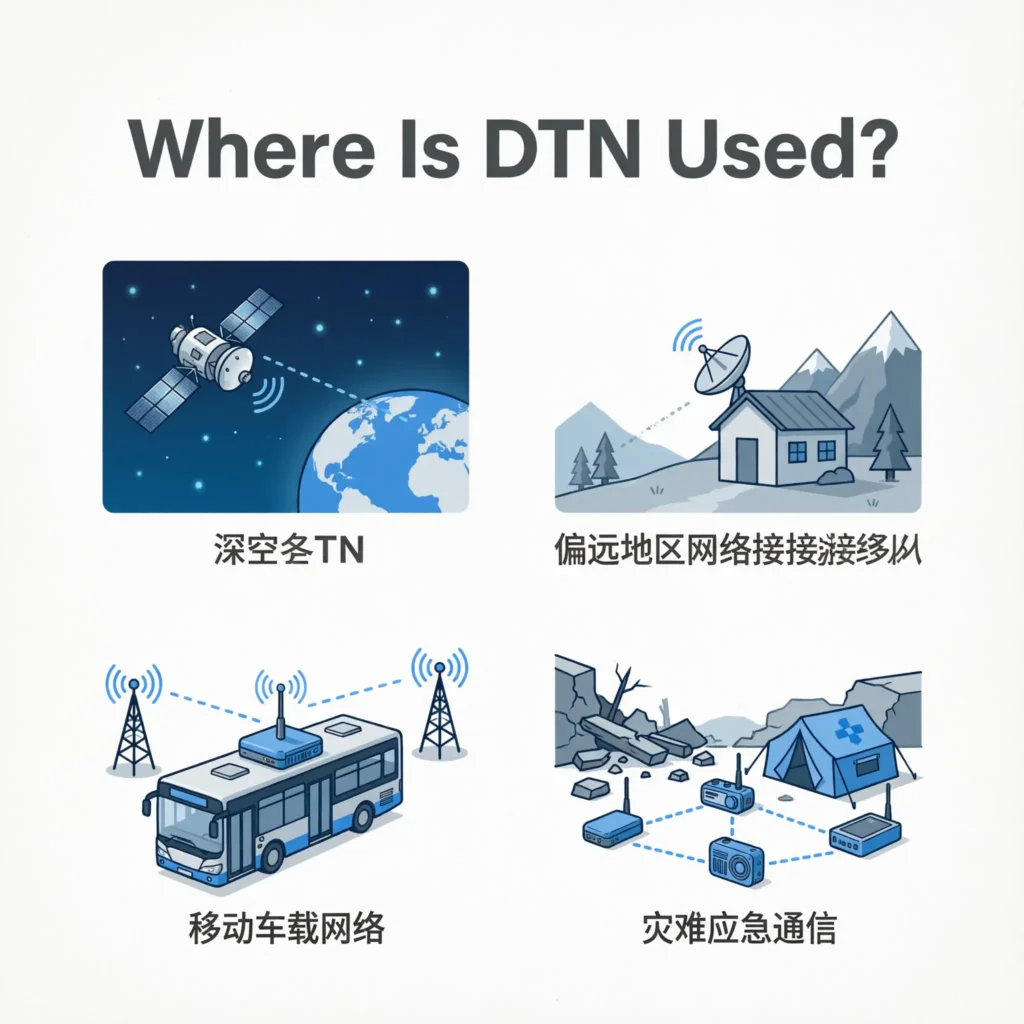
DTN is mostly used in informal, casual conversations online. You’ll commonly see it in:
📱 Social Media Platforms:
- Instagram captions or comments
- TikTok videos (especially emotional or motivational posts)
- Snapchat messages or stories
💬 Text Messaging:
- One-on-one chats with friends
- Group chats
🎮 Online Communities:
- Gaming chats or Discord servers
- Meme culture and online forums
👥 Who Uses It?
- Mostly teens and young adults
- People familiar with internet slang or hip-hop/pop culture language
- Casual users who enjoy expressive, short phrases
It’s not something you’ll usually hear in formal environments—it’s definitely part of internet and street-style slang culture.
Examples of DTN in Conversation
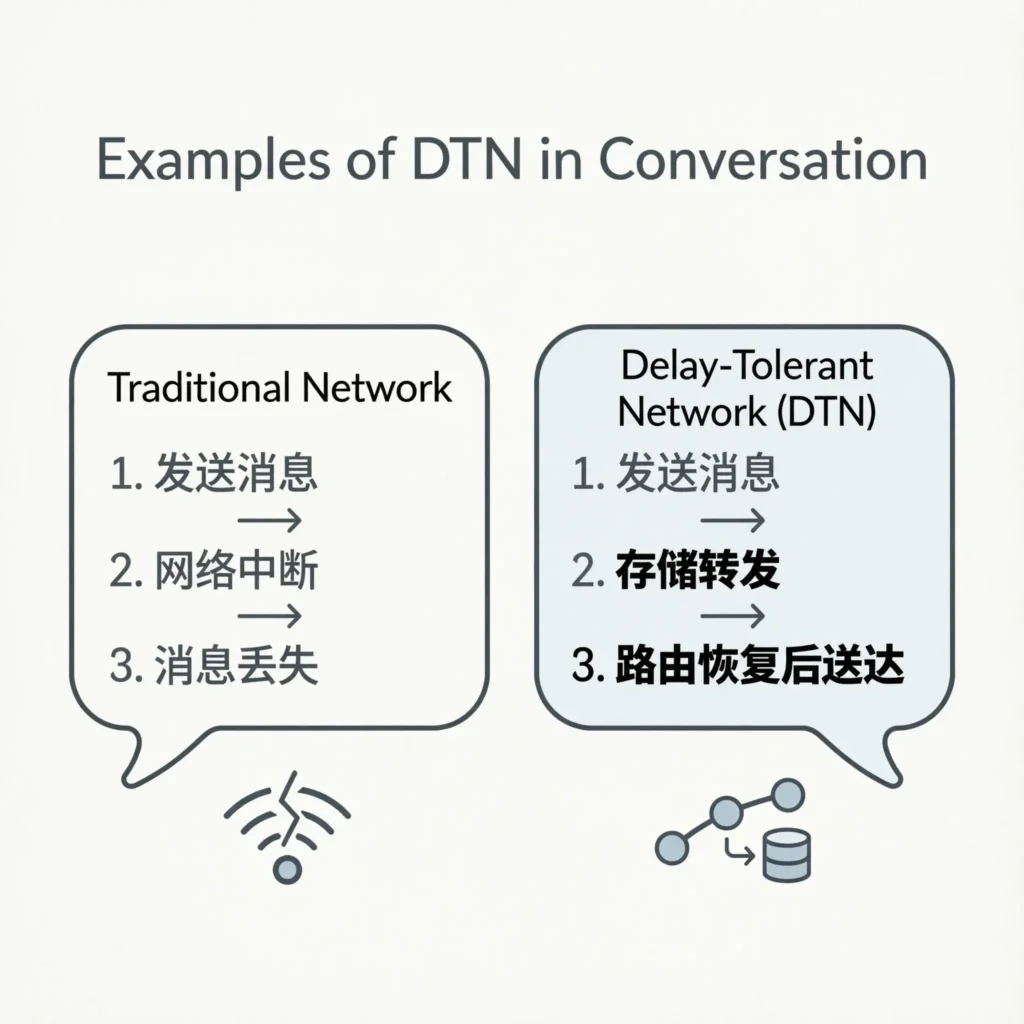
Here are some realistic ways “DTN” might appear in chats:
- Friend chat (serious):
“After what happened, I’m DTN from now on.” - Casual conversation:
“Lol people be fake… DTN 😂” - Emotional post:
“Learned the hard way… DTN.” - Playful tone:
“You ate my snacks again? DTN fr 😤” - Flirty/joking message:
“You say you won’t break my heart but… DTN 😏” - Group chat humor:
“Bro said he’ll pay us back… yeah DTN 💀” - Motivational vibe:
“Stay focused, trust yourself only. DTN.”
As you can see, the tone can shift depending on context—serious, funny, or sarcastic.
When to Use and When Not To Use DTN
✅ When to Use DTN:
- With friends or peers in casual chats
- On social media posts or captions
- When expressing trust issues, jokes, or life lessons
- In relaxed, informal conversations
❌ When NOT to Use DTN:
- In professional emails or work chats
- During formal conversations (school, business, official settings)
- With people who might not understand slang
- In sensitive situations where it might sound too negative or harsh
Tone Tip:
DTN can come off as a bit negative or guarded, so use it carefully. If overused, it might make you seem overly distrustful—even if you’re just joking.
Similar Slang Words or Alternatives
If you like using DTN, here are some similar slang terms you might come across:
- FR (For Real): Used to emphasize honesty or seriousness
- SMH (Shaking My Head): Expresses disappointment or disbelief
- IDK (I Don’t Know): Shows uncertainty or confusion
- NGL (Not Gonna Lie): Used before sharing an honest opinion
- ONG (On God): Strong way to say something is true or serious
These can sometimes be used in similar conversations, depending on the tone you want.
FAQs
What does DTN mean from a girl?
When a girl uses DTN, it usually carries the same meaning—“Don’t Trust Nobody.” It might reflect past experiences, caution, or just be used jokingly depending on the conversation.
Is DTN slang rude?
Not necessarily. It’s not offensive, but it can sound a bit negative or guarded. Tone and context matter a lot.
Can I use DTN in professional chats?
No, it’s best to avoid DTN in professional or formal settings. It’s strictly casual slang.
Does DTN have any flirty meaning?
Not directly, but it can be used in a playful or teasing way in flirty conversations, especially with emojis.
Is DTN still popular in 2026?
Yes, DTN is still used, especially among younger users and on social media, though it’s not as common as some mainstream slang.
Conclusion
DTN is a simple but expressive slang term that stands for “Don’t Trust Nobody.” It’s commonly used in casual chats, social media posts, and online conversations to express caution, humor, or personal experiences. While it’s easy to use and understand once you know it, remember that it’s best kept for informal situations. Use it with friends, keep the tone light when needed, and you’ll fit right into modern texting culture without any confusion.