
Introduction
You’re scrolling through social media or chatting with a friend when suddenly you see someone say, “I’m a sub” or “Looking for a sub.” At first glance, it might feel confusing—are they talking about a sandwich, a subscription, or something else entirely? You’re not alone. Slang evolves quickly, and words like “sub” can carry multiple meanings depending on the context. Understanding what it means can help you avoid awkward misunderstandings and communicate more confidently online. In this guide, we’ll break down exactly what “sub” means in slang, where it’s used, and how to use it naturally in conversations.
What Does “Sub” Mean in Text?
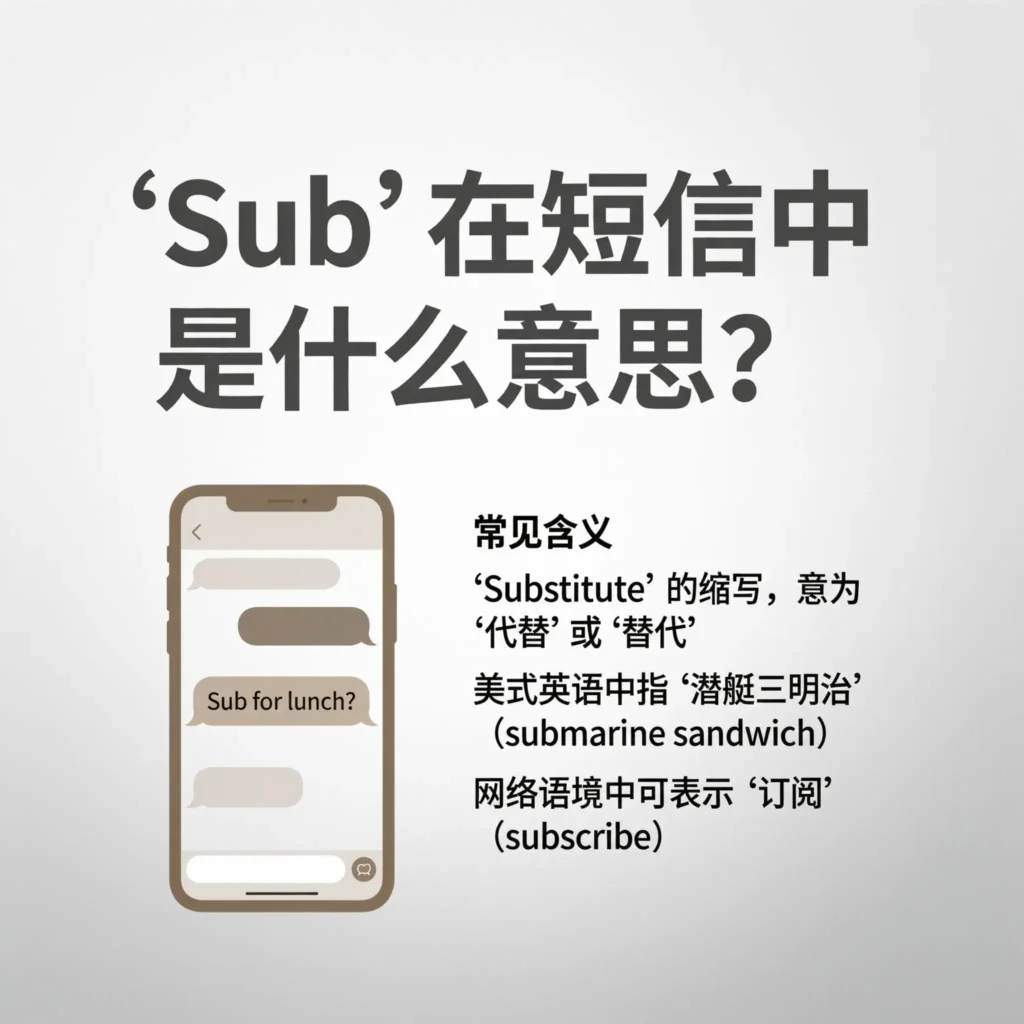
In slang, “sub” is short for “submissive.” It’s often used to describe someone who prefers a more passive, yielding, or obedient role—especially in relationships or certain social dynamics.
However, the meaning of “sub” can vary depending on context:
- Relationship/Dating context: Someone who prefers being guided or dominated (emotionally or physically).
- Online communities (especially fandoms or gaming): A “sub” might refer to a subscriber or supporter.
- General slang usage: Sometimes it just means someone who is quiet, reserved, or low-key.
So, while “sub” most commonly refers to “submissive,” it’s important to read the situation carefully before assuming its meaning.
Where Is “Sub” Used?

The slang term “sub” appears across multiple platforms and communities. You’ll often find it in:
- TikTok & Instagram: Used in captions, comments, or bios—often in a playful or personality-based way.
- Snapchat & texting: Casual conversations between friends or flirty chats.
- Gaming communities: Sometimes used jokingly or to describe personality traits.
- Online forums & fandom spaces: Can refer to both “submissive” roles or “subscribers,” depending on the discussion.
It’s especially popular among younger users, Gen Z, and online communities where expressive or personality-based slang is common.
Examples of “Sub” in Conversation
Here are some realistic ways “sub” might show up in chats:
- “I can’t lie, I’m definitely a sub in relationships 😅”
- “He acts tough but he’s actually a sub lol”
- “Are you more of a sub or dom?”
- “She gives off quiet sub vibes”
- “I need a sub to match my energy 😂”
- “Just hit 1k subs on my channel!” (here it means subscribers)
- “He’s such a soft sub, it’s kinda cute”
As you can see, the tone can range from casual and funny to slightly flirty, depending on the context.
When to Use and Not To Use “Sub”
Use it:
- In casual chats with friends
- On social media posts or comments
- In flirty or playful conversations
- When discussing personality traits informally
NOT to use it:
- In professional or workplace communication
- In formal writing or school assignments
- With people who may not understand slang
- In serious conversations where clarity is important
Because “sub” can have slightly intimate or niche meanings, it’s best to use it only when you’re sure the other person understands the context.
Similar Slang Words or Alternatives
Here are a few related slang terms you might come across:
- Dom – Short for “dominant,” the opposite of “sub”
- Switch – Someone who can be both dominant and submissive
- Simp – Someone who shows excessive attention or affection
- Lowkey – Something subtle or not obvious
- Soft – Someone gentle, emotional, or sensitive
These terms often appear together, especially in online conversations about personality or relationships.
FAQs
What does “sub” mean from a girl?
It usually means she’s describing herself as more submissive or reserved in personality or relationships.
Is “sub” slang rude?
No, it’s not inherently rude, but it can feel personal or intimate depending on how it’s used.
Can I use “sub” in professional chats?
No, it’s too casual and context-specific for professional communication.
Does “sub” have a flirty meaning?
Yes, it can be used in a flirty way, especially when talking about relationship dynamics.
Is “sub” still popular in 2026?
Yes, it remains widely used, especially among younger audiences and on social media platforms.
Conclusion
“Sub” is a versatile slang term that most commonly means “submissive,” but can also refer to subscribers or personality traits depending on the context. The key to using it correctly is understanding where and how it’s being used. Stick to casual conversations, read the tone of the chat, and you’ll have no trouble using “sub” naturally. Like most slang, confidence comes with practice—so once you get the hang of it, it’ll feel like second nature in your online conversations.