Introduction
You’re scrolling through your messages, and someone ends their text with “TIA.” At first glance, it might look like a name or a typo. But then you see it again—on social media, in emails, even in comments—and you start wondering what it actually means. If you’ve ever paused mid-chat trying to decode this little abbreviation, you’re not alone. Slang and shorthand are constantly evolving, and “TIA” is one of those terms that pops up everywhere once you notice it. The good news? It’s simple, polite, and easy to use once you understand it.
What Does TIA Mean in Text?
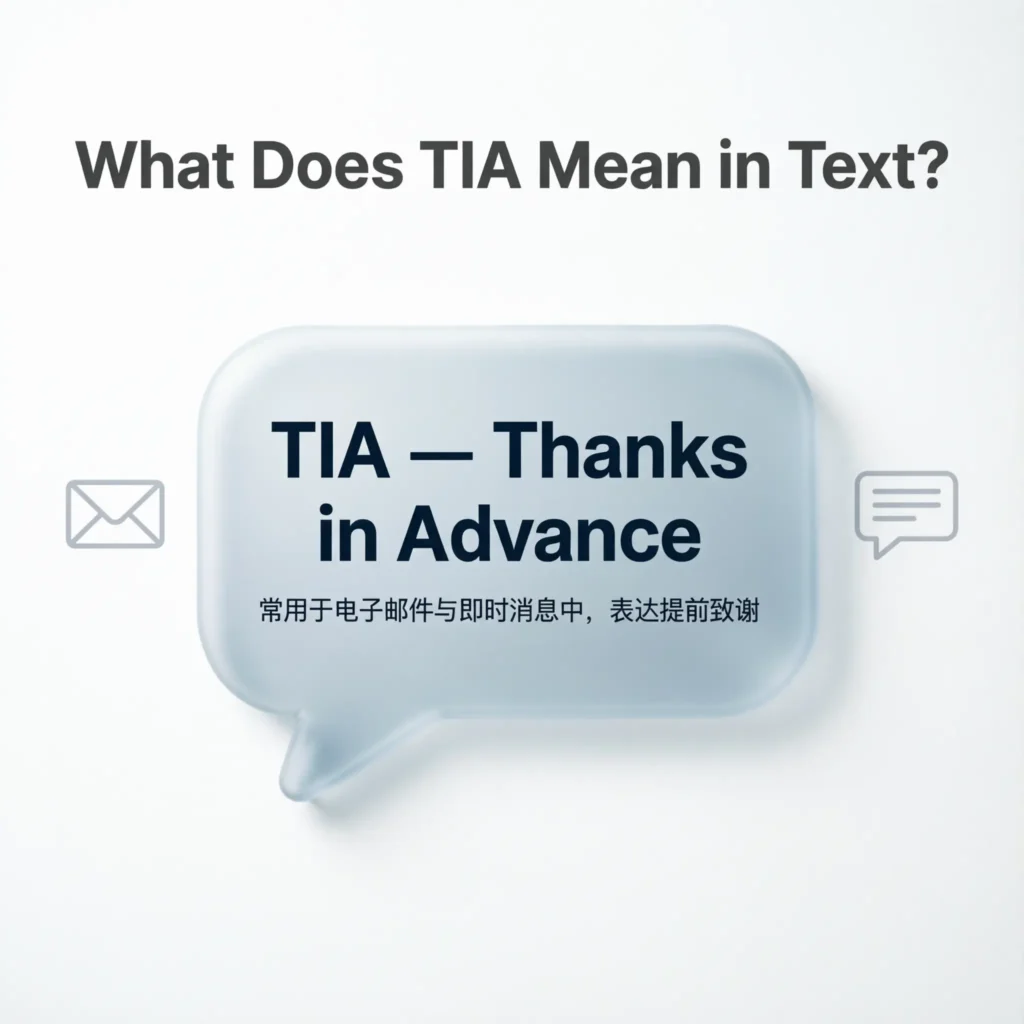
TIA stands for “Thanks In Advance.”
It’s a polite way of thanking someone before they’ve actually done something for you. Instead of waiting for a reply or help, the sender shows appreciation ahead of time.
Simple Meaning:
When someone says “TIA,” they’re basically saying:
👉 “I appreciate your help already.”
Example:
- “Can you send me the file when you get a chance? TIA!”
Does TIA Have Other Meanings?
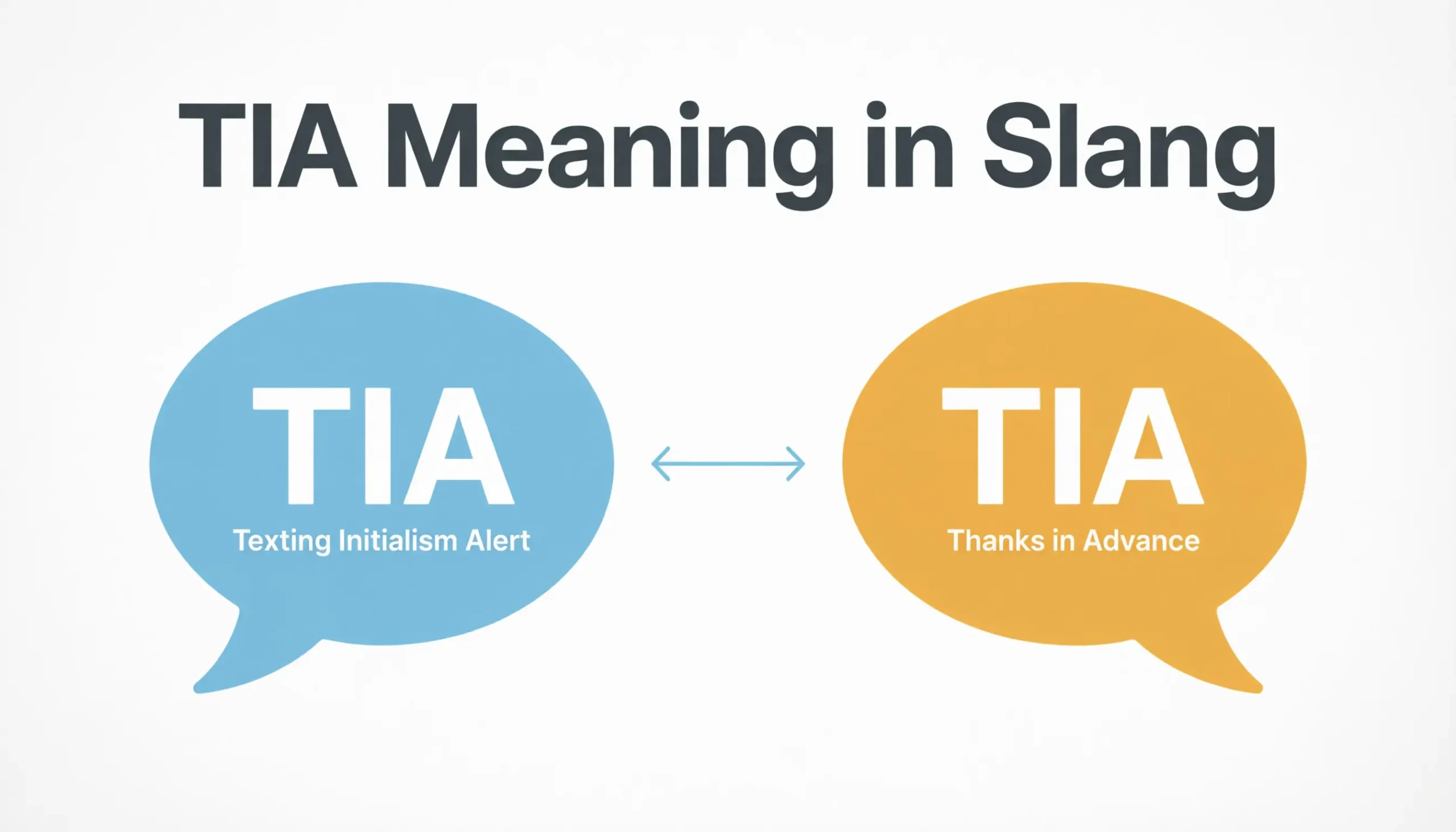
While “Thanks In Advance” is by far the most common meaning in texting and online communication, “TIA” can occasionally mean other things depending on context, such as:
- Transient Ischemic Attack (medical term)
- This Is Africa (slang phrase used in specific contexts)
However, in everyday chats, emails, and social media, it almost always means “Thanks In Advance.”
Where Is TIA Used?
TIA is widely used across different platforms and communication styles. You’ll most commonly see it in:
- Text messages – quick and polite requests
- Emails – especially semi-formal or workplace communication
- Social media – Facebook posts, Instagram captions, Reddit threads
- Online forums – when asking questions or seeking help
- Work chats – Slack, Microsoft Teams, etc.
Who Uses It?
- Professionals in emails
- Students in group chats
- Social media users asking for help or opinions
- Anyone who wants to sound polite but concise
Unlike some slang that’s limited to teens or specific communities, TIA is used by a broad audience, including adults and professionals.
Examples of TIA in Conversation
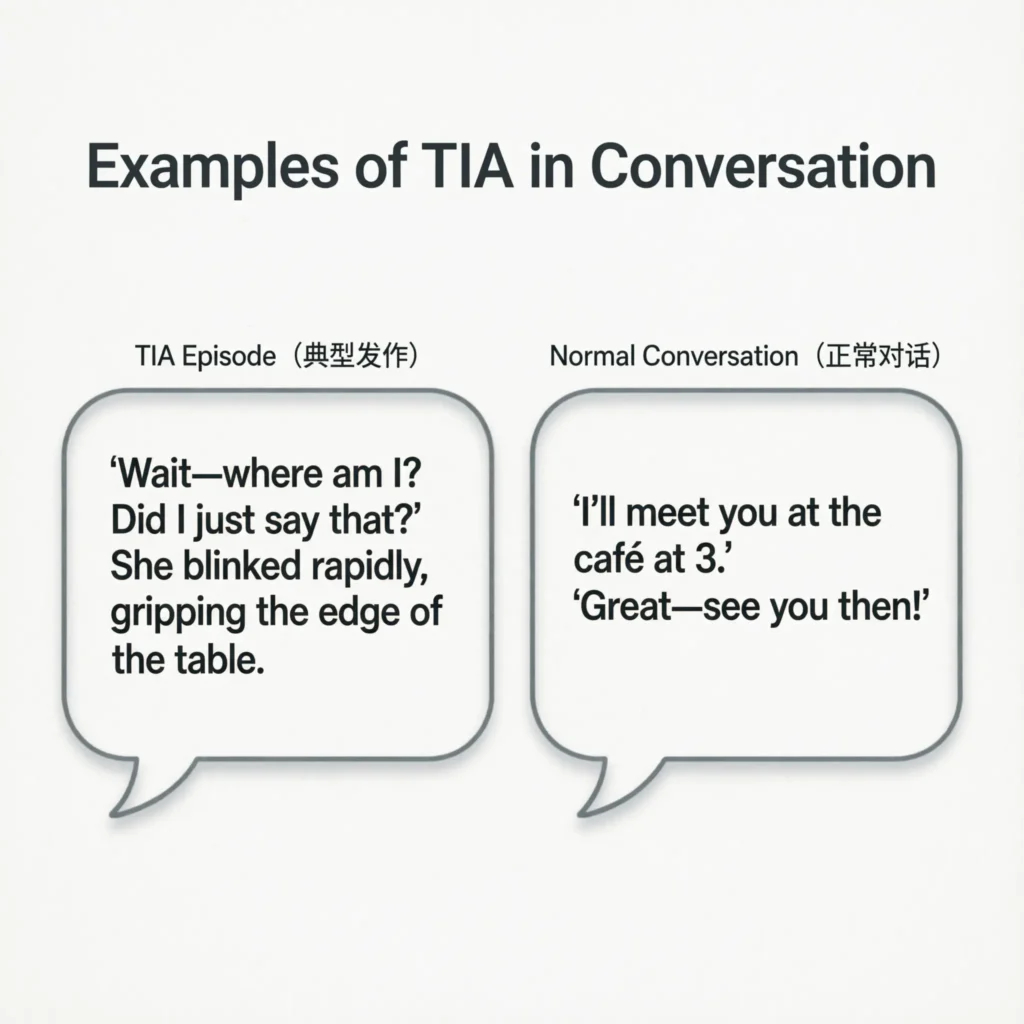
Here are some realistic ways “TIA” shows up in everyday chats:
- Friendly:
“Hey, does anyone know a good movie to watch tonight? TIA!” - Casual text:
“Can you pick up snacks on your way home? TIA 😊” - Work-related:
“Please review the document before tomorrow’s meeting. TIA.” - Social media post:
“Looking for restaurant recommendations in the city. TIA!” - Group chat:
“Who’s bringing drinks to the party? TIA!” - Flirty/light tone:
“Send me your playlist? I trust your taste 😄 TIA” - Online forum:
“How do I fix this error in my code? TIA!”
As you can see, it works in many tones—friendly, polite, or slightly playful.
When to Use and When Not To Use TIA
✅ When to Use TIA:
- When asking for help or a favor
- When requesting information
- When you want to sound polite and appreciative
- In casual or semi-formal communication
TIA helps soften requests and makes you come across as respectful.
❌ When NOT to Use TIA:
- In very formal emails (like job applications or official letters)
- When making urgent or serious requests
- If the tone might seem too casual for the situation
- When it could sound passive-aggressive (rare, but possible)
Important Tip:
While TIA is polite, some people feel it can assume help will be given. So in very formal settings, it’s safer to say:
- “Thank you for your time”
- “I appreciate your assistance”
Similar Slang Words or Alternatives
Here are a few related abbreviations you might see:
- TY – Thank You
- THX – Thanks (casual version)
- TIAAA – Thanks in advance a lot (playful variation)
- PLS / PLEASE – Used with requests
- TYSM – Thank You So Much
These alternatives can be mixed depending on how casual or expressive you want to be.
FAQs
What does TIA mean from a girl?
It means the same thing—“Thanks In Advance.” There’s no special hidden meaning based on gender. It’s simply polite and friendly.
Is TIA slang rude?
No, TIA is generally not rude. It’s considered polite. However, in some cases, it might feel slightly presumptive if overused.
Can I use TIA in professional chats?
Yes, but only in semi-formal settings like team chats or casual emails. Avoid it in highly formal communication.
Does TIA have any flirty meaning?
Not directly. However, tone matters. In a playful message, it can feel light and friendly, but it’s not inherently flirty.
Is TIA still popular in 2026?
Yes, TIA is still widely used in texts, emails, and social media, especially because it’s short and polite.
Conclusion
TIA is one of those simple slang terms that can instantly make your messages sound more polite and thoughtful. It stands for “Thanks In Advance” and is commonly used when asking for help, recommendations, or favors. If you’re texting a friend, posting online, or sending a quick work message, TIA helps you express appreciation before getting a response.
Just remember to match it with the right tone and setting. Use it casually or semi-formally, and you’ll sound both friendly and respectful in your conversations.