Introduction
You’re reading an old magazine, watching a retro movie, or maybe scrolling through vintage quotes online—and suddenly you see the word “tuff.” At first, you might think it’s just a misspelling of “tough,” but something feels different. Why would people in the 1960s intentionally spell it that way?
If you’ve ever been confused by this slang term, you’re not alone. “Tuff” was actually a popular expression back in the day, especially among youth culture. In this guide, you’ll discover what “tuff” really meant in the 1960s, how people used it, and If it still has a place in modern conversations today.
What Does “Tuff” Mean in Text?
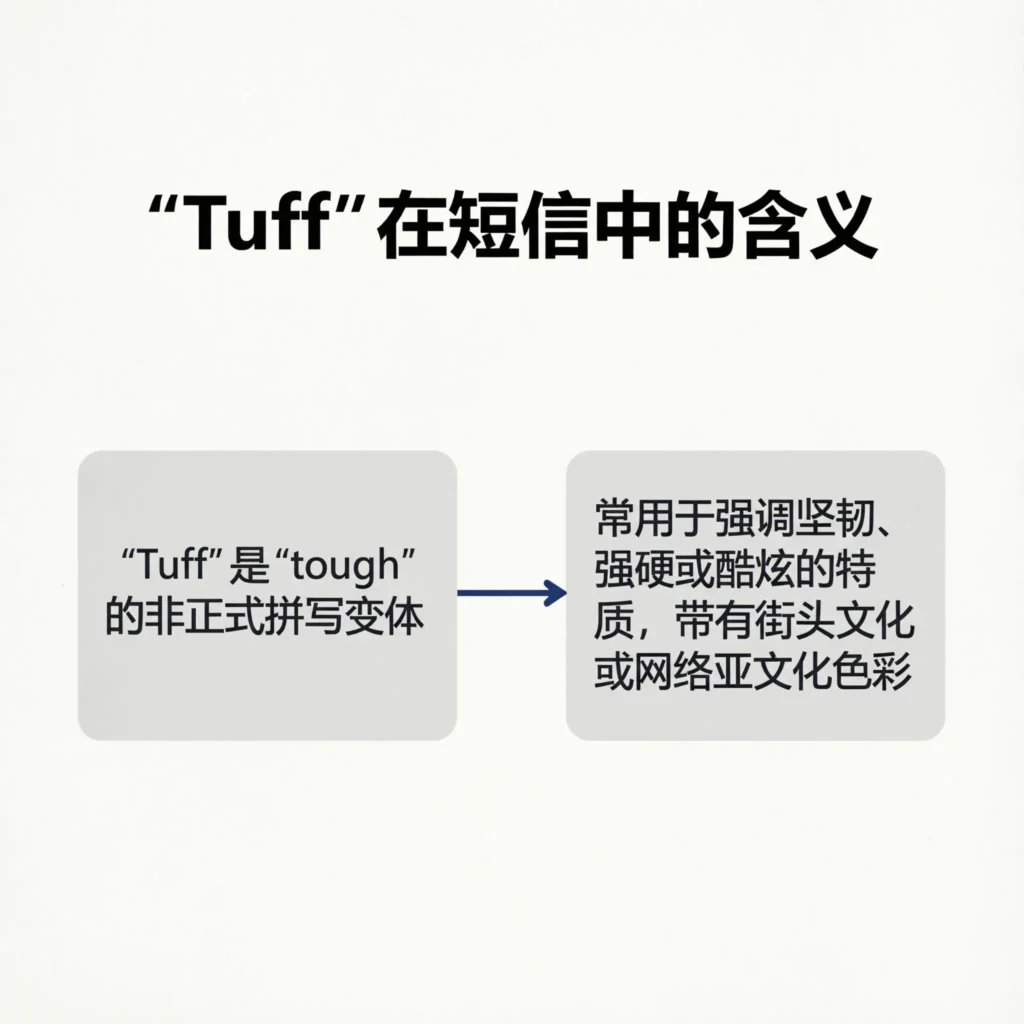
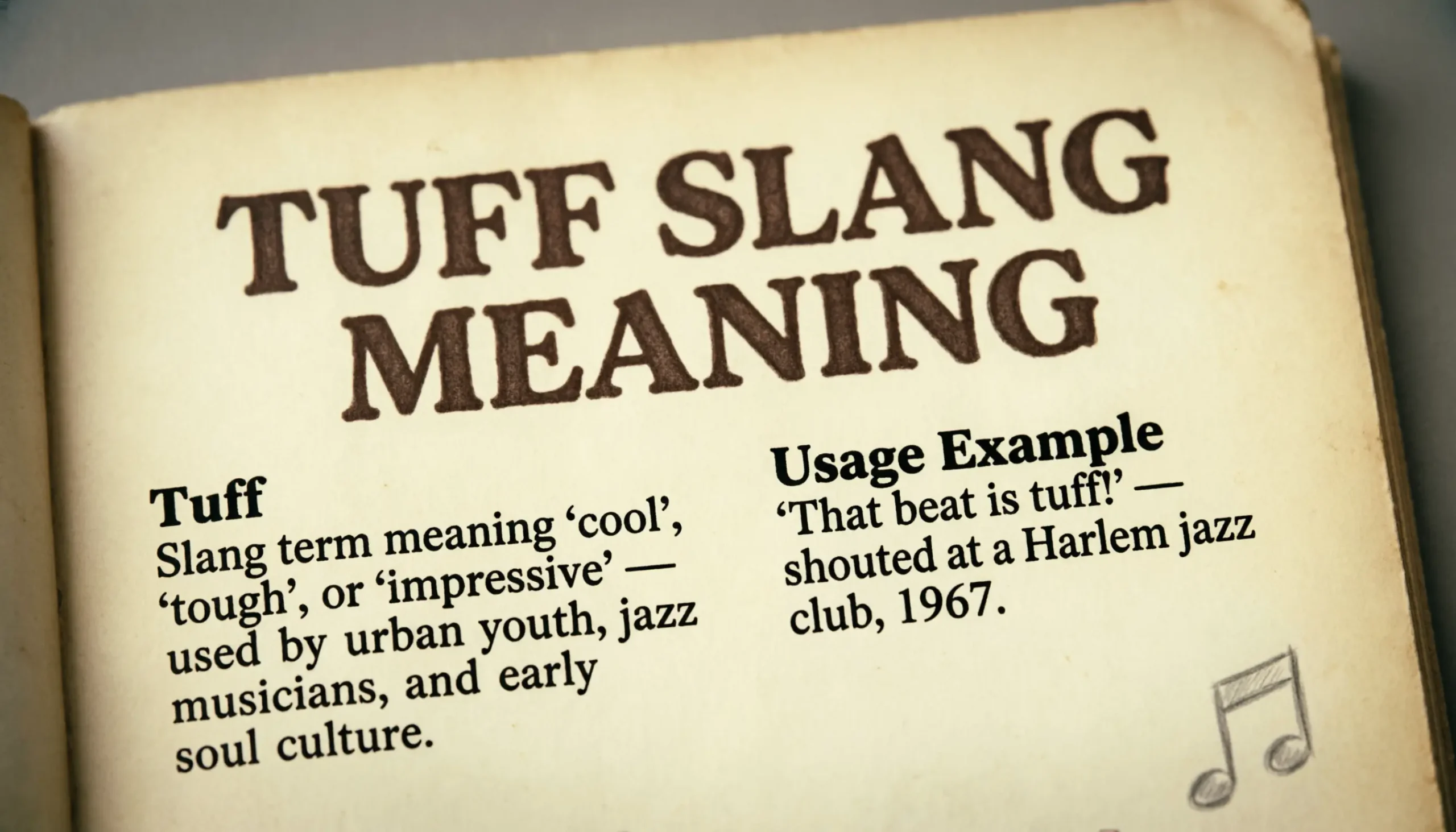
In 1960s slang, “tuff” was an informal, stylized spelling of “tough.” But it didn’t always mean “difficult” or “hard” like the standard word. Instead, it often carried a more positive, cool, or edgy meaning.
Common meanings of “tuff” in the 1960s:
- Cool or impressive
- Strong or resilient
- Stylish in a rebellious way
- Edgy or bold personality
👉 For example:
If someone said, “That guy is tuff,” they probably meant he was confident, strong, or even a bit rebellious—in a cool way.
Why the spelling “tuff”?
The alternative spelling made the word feel more slangy and expressive, helping it stand out in youth culture, especially in music, street language, and pop trends of the 1960s.
Where Is “Tuff” Used?

In the 1960s
“Tuff” was mostly used in:
- Casual conversations among teenagers and young adults
- Music culture (especially early rock & soul scenes)
- Street slang and urban expressions
- Pop culture magazines and advertisements
It was part of a larger trend where young people created their own language to stand out from older generations.
Today
While “tuff” isn’t as common now, it still appears:
- Occasionally in social media captions for a retro or stylish vibe
- In fashion or branding (to sound bold or edgy)
- In nostalgic or throwback content
Modern users are more likely to use “tough” or newer slang like “lit” or “fire,” but “tuff” can still feel unique and vintage.
Examples of “Tuff” in Conversation
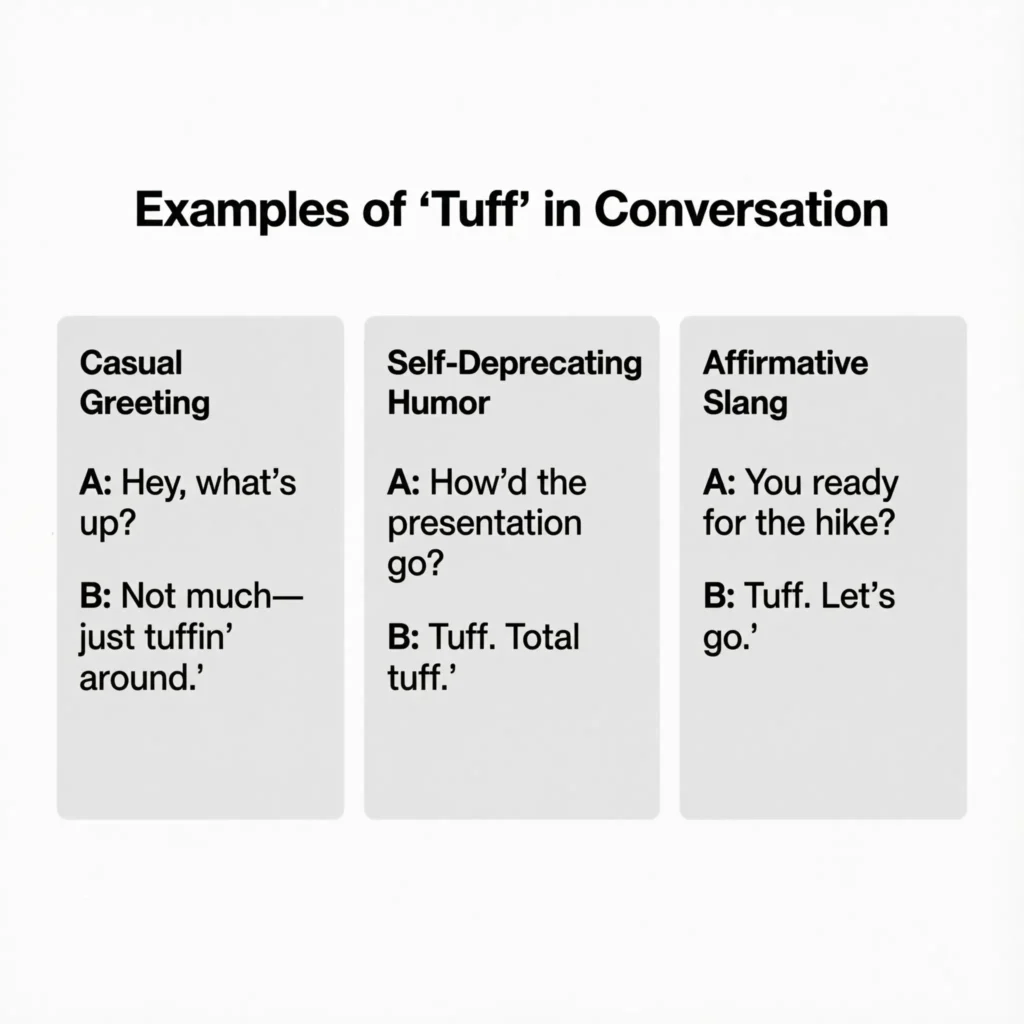
Here are some natural, chat-style examples inspired by how “tuff” might be used:
- Friend 1: That leather jacket is tuff!
Friend 2: Thanks, just got it yesterday. - Guy: He handled that situation like a pro—real tuff.
Friend: Yeah, he didn’t back down at all. - Girl: Your style is so tuff 😎
Guy: Appreciate it! - Friend 1: That was a tuff performance on stage.
Friend 2: The crowd loved it! - Text message:
“Stay tuff, don’t let anyone bring you down.” - Flirty tone:
“You’re kinda tuff… I like that 😉” - Motivational use:
“Life gets hard, but you gotta stay tuff.”
When to Use and When Not To Use “Tuff”
✅ When to use “tuff”:
- In casual chats with friends
- When going for a retro or vintage vibe
- On social media captions (especially fashion or attitude posts)
- To describe someone as cool, strong, or bold
❌ When not to use it:
- In formal writing (emails, school assignments, job applications)
- In professional conversations where clarity matters
- When talking to people unfamiliar with slang—it may confuse them
👉 Tip: If you’re unsure, use “tough” instead. “Tuff” is best saved for relaxed, creative communication.
Similar Slang Words or Alternatives
Here are some related slang terms with similar meanings:
- Cool – Stylish or impressive
- Bad (1960s slang) – Surprisingly meant “good” or “awesome”
- Hip – Trendy and fashionable
- Groovy – Fun, exciting, and enjoyable
- Rad – Short for radical; means awesome or impressive
These words were all part of the same cultural wave that made “tuff” popular.
FAQs
What does “tuff” mean from a girl?
If a girl calls you “tuff,” it usually means she thinks you’re cool, confident, or strong—often in an attractive way.
Is “tuff” slang rude?
No, it’s generally not rude at all. It’s actually a positive compliment in most cases.
Can I use “tuff” in professional chats?
It’s better to avoid it. “Tuff” is very casual and informal, so it doesn’t fit professional settings.
Does “tuff” have any flirty meaning?
Yes, it can. When used in a playful tone, it may suggest someone is attractive, bold, or appealing.
Is “tuff” still popular in 2026?
Not really in everyday slang, but it’s still used occasionally for a retro, stylish, or nostalgic effect.
Conclusion
“Tuff” in 1960s slang wasn’t just a quirky spelling—it was a way to describe someone or something as cool, strong, and effortlessly stylish. While it’s not as common today, it still carries that bold, vintage charm when used in the right context.
If you want to add a little retro flair to your conversations or social media, “tuff” can be a fun and expressive choice. Just remember—keep it casual, keep it confident, and you’ll use it like a pro.